
Before You Start
Writing your first resume can feel overwhelming, especially if you’ve never had a full-time job. The good news is that every professional started somewhere. Employers understand that entry-level candidates may not have traditional work experience. What they want to see is your potential, willingness to learn, and ability to contribute.
This guide explains how to write a resume with no experience using practical strategies that highlight your strengths, education, skills, volunteer work, projects, and achievements. Whether you’re a student, recent graduate, or changing careers, this article will help you create a professional resume that gets noticed.
Comprehensive Article Outline
| Heading Level | Topic |
|---|---|
| H1 | How to Write a Resume with No Experience: Ultimate 10-Step Guide for Beginners |
| H2 | Why a Resume Still Matters Without Experience |
| H2 | Understand What Employers Want |
| H2 | Choose the Best Resume Format |
| H2 | Write a Professional Resume Header |
| H2 | Create a Strong Resume Summary |
| H2 | Highlight Your Education |
| H2 | Showcase Transferable Skills |
| H2 | Include Volunteer Experience |
| H2 | Add School Projects and Personal Projects |
| H2 | Mention Certifications and Online Courses |
| H2 | List Awards and Achievements |
| H2 | Customize Your Resume for Every Job |
| H2 | Common Resume Mistakes to Avoid |
| H2 | Resume Example for Someone with No Experience |
| H2 | Final Resume Checklist |
| H2 | Frequently Asked Questions |
| H2 | Conclusion |
How to Write a Resume with No Experience
Landing your first job may seem difficult when every job description asks for experience. However, knowing how to write a resume with no experience gives you a significant advantage over other applicants.
A resume is more than a list of previous jobs. It tells employers who you are, what you can do, and why you’re worth interviewing. Even if you’ve never worked professionally, you already have valuable experiences from school, volunteer work, extracurricular activities, internships, hobbies, certifications, and personal projects.
Modern hiring managers look beyond employment history. They value communication skills, problem-solving abilities, teamwork, adaptability, and a willingness to learn. By presenting these qualities effectively, you can create a resume that leaves a positive impression.
Why a Resume Still Matters Without Experience
Many first-time job seekers assume they don’t need a resume because they lack work history. In reality, employers expect every applicant to submit one.
Your resume serves as your personal marketing document. It introduces your background and demonstrates why you’re a suitable candidate for the position.
A well-written beginner resume helps employers understand:
- Your educational background
- Relevant technical and soft skills
- Academic achievements
- Volunteer involvement
- Leadership experience
- Personal projects
- Career goals
Instead of focusing on what you don’t have, your resume should emphasize what you can offer.
Employers hiring entry-level candidates understand that experience has to start somewhere. They often look for enthusiasm, reliability, and the ability to grow within the company.
Understand What Employers Want
Before writing your resume, it’s important to understand what hiring managers actually expect from entry-level applicants.
Most employers know that beginners won’t have years of professional experience. Instead, they evaluate qualities that predict future success.
These include:
Communication Skills
Being able to communicate clearly with coworkers and customers is valuable in nearly every industry.
Examples include:
- Writing assignments
- Presentations
- Public speaking
- Customer interaction
- Group discussions
Teamwork
Most workplaces rely heavily on collaboration.
Examples include:
- School group projects
- Sports teams
- Student organizations
- Volunteer groups
Problem-Solving
Companies appreciate candidates who can think critically and find solutions.
Examples include:
- Science projects
- Coding challenges
- Mathematics competitions
- Community service projects
Adaptability
Technology and workplaces change quickly. Employers prefer candidates who can learn new systems efficiently.
Examples include learning:
- New software
- Office tools
- Online platforms
- Digital communication systems
Positive Attitude
A willingness to learn often matters more than previous experience.
Hiring managers understand that skills can be taught, but attitude is much harder to develop.
Choose the Best Resume Format
One of the most important decisions is selecting the right resume format.
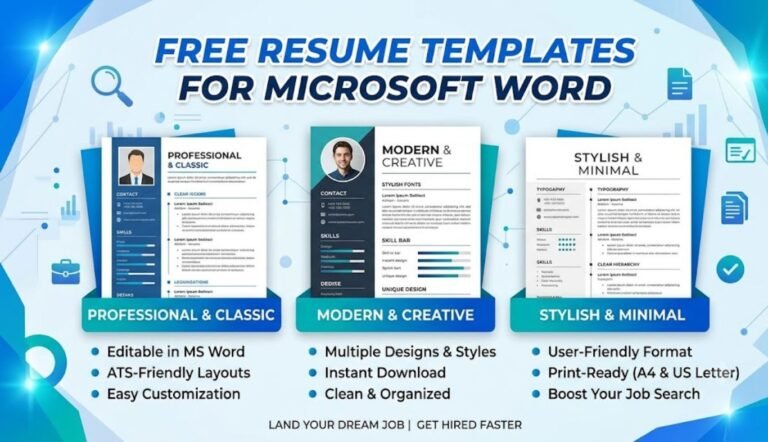
If you’re learning how to write a resume with no experience, the functional or combination resume usually works better than a chronological resume.
Chronological Resume
This format focuses mainly on work history.
It works best for experienced professionals but isn’t ideal for beginners.
Functional Resume
A functional resume emphasizes:
- Skills
- Education
- Projects
- Certifications
- Volunteer work
This allows your strengths to stand out instead of your limited employment history.
Combination Resume
A combination resume blends skills and education with any available experience, such as:
- Part-time jobs
- Freelance work
- Internships
- Volunteer positions
Many recruiters recommend this format because it creates a balanced presentation.
Write a Professional Resume Header
The top of your resume should include essential contact information.
A professional header typically contains:
| Information | Example |
|---|---|
| Full Name | Emily Johnson |
| Phone Number | (555) 123-4567 |
| Professional Email | emilyjohnson@email.com |
| City and State | Dallas, Texas |
| LinkedIn Profile | linkedin.com/in/emilyjohnson |
| Portfolio (Optional) | www.emilyportfolio.com |
Avoid including unnecessary personal details such as:
- Age
- Gender
- Marital status
- Religion
- Nationality
- Social Security Number
- Personal photo (unless specifically requested)
Keep your email address professional. An address like firstname.lastname@email.com creates a much better impression than casual usernames.
Create a Strong Resume Summary
Your resume summary is often the first section employers read.
Since you don’t have professional experience, this paragraph should focus on your strengths, education, career goals, and transferable skills.
A good summary usually contains:
- Who you are
- What you’re studying or recently completed
- Your strongest skills
- Your career objective
- How you can contribute
Example Resume Summary
Motivated and detail-oriented high school graduate with strong communication, organization, and problem-solving skills. Experienced in leading school projects, volunteering at community events, and learning new technologies quickly. Seeking an entry-level customer service position where I can contribute positively while continuing to grow professionally.
Notice that this summary highlights potential instead of job history.
Highlight Your Education
For applicants without experience, education becomes one of the strongest resume sections.
Include:
- School name
- Graduation year
- Degree or diploma
- Relevant coursework
- GPA (if strong)
- Academic honors
- Leadership positions
- Clubs and organizations
Example:
Bachelor of Business Administration
University of Texas
Expected Graduation: 2027
Relevant Coursework:
- Business Communication
- Marketing Fundamentals
- Financial Accounting
- Business Analytics
Academic Achievements:
- Dean’s List
- Student Government Member
- Business Club Treasurer
Adding relevant coursework helps employers understand your foundational knowledge, especially when applying for internships or entry-level positions.
Showcase Transferable Skills
One of the biggest advantages you have when learning how to write a resume with no experience is the opportunity to focus on transferable skills. These are abilities you’ve developed through school, volunteer work, hobbies, extracurricular activities, or personal projects that apply to many jobs.
Employers hiring entry-level candidates understand that professional experience isn’t always available. Instead, they look for skills that indicate you can learn quickly and become a valuable team member.
What Are Transferable Skills?
Transferable skills are qualities and abilities that can be used in different industries and job roles. They demonstrate your potential rather than your employment history.
Common examples include:
| Soft Skills | Technical Skills |
|---|---|
| Communication | Microsoft Word |
| Teamwork | Microsoft Excel |
| Time Management | Google Workspace |
| Leadership | Canva |
| Organization | Data Entry |
| Adaptability | Social Media Management |
| Problem Solving | Basic HTML & CSS |
| Critical Thinking | Zoom & Microsoft Teams |
| Customer Service | Email Communication |
| Creativity | Presentation Software |
Prioritize Relevant Skills
Don’t simply list every skill you have. Instead, read the job description carefully and identify keywords that match your abilities.
For example, if you’re applying for a customer service role, emphasize:
- Communication
- Active listening
- Patience
- Conflict resolution
- Organization
- Computer skills
If you’re applying for an office assistant position, highlight:
- Microsoft Office
- File organization
- Scheduling
- Email management
- Attention to detail
- Administrative support
Matching your skills to the employer’s needs increases your chances of passing Applicant Tracking Systems (ATS).
Example Skills Section
Skills
- Excellent written and verbal communication
- Customer service mindset
- Team collaboration
- Time management
- Problem-solving
- Microsoft Office Suite
- Google Docs and Sheets
- Canva
- Social media management
- Fast learner
Include Volunteer Experience
Volunteer work is often just as valuable as paid employment, especially when you’re creating your first resume.
Many employers recognize that volunteering develops professional skills such as responsibility, teamwork, leadership, and communication.
What Counts as Volunteer Experience?
Volunteer work can include:
- Community service
- Charity events
- School fundraising
- Church activities
- Animal shelters
- Food banks
- Environmental cleanup projects
- Youth mentoring
- Local nonprofit organizations
How to Format Volunteer Experience
Include:
- Organization name
- Position
- Dates
- Responsibilities
- Achievements
Example:
Volunteer Event Assistant
Community Food Bank
June 2025 – Present
Responsibilities:
- Assisted with food distribution
- Helped organize weekly volunteer schedules
- Worked directly with community members
- Managed inventory during donation events
- Collaborated with a team of volunteers
This experience demonstrates organization, teamwork, customer service, and leadership.
Add School Projects and Personal Projects
If you’ve never worked professionally, projects can significantly strengthen your resume.
Projects demonstrate initiative, creativity, technical knowledge, and your willingness to learn.
Academic Projects
Examples include:
- Research papers
- Science experiments
- Marketing campaigns
- Engineering designs
- Business presentations
- Group assignments
Describe measurable outcomes whenever possible.
Example:
Marketing Campaign Project
- Developed a complete marketing strategy for a fictional business.
- Conducted competitor research.
- Designed promotional materials using Canva.
- Presented findings to classmates.
Personal Projects
Personal projects are excellent additions because they show genuine interest in your field.
Examples:
- Personal website
- Mobile app
- Blog
- Photography portfolio
- Graphic design collection
- YouTube channel
- Coding projects
- E-commerce practice store
Hiring managers often appreciate candidates who continue learning outside the classroom.
Mention Certifications and Online Courses
Certifications help compensate for limited work experience by proving you’ve invested time in learning valuable skills.
Even free certifications can improve your resume.
Popular certifications include:
- Google Digital Garage
- Google Analytics
- HubSpot Content Marketing
- Microsoft Office Certifications
- LinkedIn Learning Courses
- Coursera Certificates
- edX Programs
- Udemy Courses
- Meta Digital Marketing
- IBM Professional Certificates
Example
Certifications
- Google Digital Marketing & E-commerce Certificate
- Microsoft Excel Essentials
- HubSpot Content Marketing Certification
- Google Analytics Certification
These certifications show employers you’re committed to continuous improvement.
List Awards and Achievements
Awards demonstrate excellence and dedication. They help employers understand that you’ve consistently performed well, even if your accomplishments occurred in school or community settings.
Examples include:
Academic Awards
- Honor Roll
- Dean’s List
- Academic Excellence Award
- Perfect Attendance
- Scholarship Recipient
Leadership Awards
- Student Council Representative
- Club President
- Team Captain
- Volunteer Recognition Award
Competition Achievements
- Debate Competition Winner
- Science Fair Finalist
- Coding Competition Participant
- Essay Contest Winner
Include achievements that relate to the role whenever possible.
Customize Your Resume for Every Job
One of the biggest mistakes beginners make is sending the same resume to every employer.
Each job posting is different, so your resume should be tailored to match.
Read the Job Description Carefully
Pay attention to:
- Required skills
- Preferred qualifications
- Responsibilities
- Industry terminology
Incorporate relevant keywords naturally throughout your resume.
Match Your Resume to the Position
For example:
If applying for retail:
- Customer service
- Cash handling
- Teamwork
- Communication
If applying for administrative work:
- Organization
- Scheduling
- Microsoft Office
- Attention to detail
If applying for technology roles:
- Programming languages
- Software tools
- Projects
- Technical certifications
Tailoring your resume increases its relevance and improves your chances of getting an interview.
Common Resume Mistakes to Avoid
Even strong resumes can be overlooked because of simple mistakes. Avoiding these errors can make your application more professional.
Using an Unprofessional Email Address
Use a simple email address based on your name rather than nicknames or humorous phrases.
Including Irrelevant Information
Don’t include personal details such as:
- Age
- Religion
- Marital status
- Political views
- Social Security Number
Keep the focus on qualifications.
Spelling and Grammar Errors
Proofread your resume several times. Even small mistakes can create a poor first impression.
Ask a trusted friend, teacher, or mentor to review it before submitting.
Writing Long Paragraphs
Recruiters often spend only a few seconds reviewing each resume initially.
Use concise paragraphs, bullet points, and clear formatting to improve readability.
Lying About Experience
Never exaggerate or invent work history or qualifications. Employers frequently verify information, and dishonesty can damage your credibility.
Ignoring ATS Optimization
Many companies use Applicant Tracking Systems to screen resumes. Include relevant keywords from the job description naturally throughout your document so it has a better chance of being selected for human review.
Resume Example for Someone with No Experience
Below is a simple example showing how a beginner resume can be organized.
Emily Johnson
Dallas, Texas
(555) 123-4567
linkedin.com/in/emilyjohnson
Professional Summary
Motivated and dependable recent high school graduate with excellent communication, teamwork, and organizational skills. Experienced in volunteer activities, academic projects, and leadership roles. Seeking an entry-level customer service position where I can contribute while continuing to grow professionally.
Education
High School Diploma
Expected Graduation: 2026
Relevant Coursework:
- Business Communication
- Computer Applications
- Marketing Fundamentals
Skills
- Communication
- Teamwork
- Microsoft Office
- Google Workspace
- Customer Service
- Time Management
- Problem Solving
- Organization
Volunteer Experience
Community Food Bank Volunteer
- Assisted with food distribution
- Organized donation inventory
- Worked with community members
- Collaborated with volunteer teams
Certifications
- Google Digital Marketing & E-commerce Certificate
- Microsoft Excel Essentials
Projects
School Marketing Campaign
- Created a promotional strategy for a local business case study.
- Designed digital marketing materials using Canva.
- Delivered a successful class presentation supported by research.
Final Resume Checklist
Before sending your resume to employers, take a few minutes to review every section. A polished resume creates a strong first impression and shows attention to detail. Even small improvements can increase your chances of getting an interview.
Use this checklist to make sure your resume is complete:
| Resume Section | Complete |
|---|---|
| Professional header with updated contact information | ✔ |
| Strong resume summary | ✔ |
| Education section | ✔ |
| Transferable skills | ✔ |
| Volunteer experience | ✔ |
| School or personal projects | ✔ |
| Certifications | ✔ |
| Awards and achievements | ✔ |
| Tailored keywords for the job | ✔ |
| No spelling or grammar mistakes | ✔ |
| Professional formatting | ✔ |
| Saved as a PDF (unless another format is requested) | ✔ |
Proofread Carefully
Read your resume aloud to catch awkward wording or grammar mistakes. If possible, ask a teacher, mentor, friend, or career advisor to review it before submitting.
Keep It Simple
A clean and organized layout is more effective than a resume filled with graphics or decorative fonts. Recruiters appreciate documents that are easy to scan quickly.
Save Your Resume Properly
Use a professional filename, such as:
- Emily_Johnson_Resume.pdf
- John_Smith_Resume.pdf
- Sarah_Williams_Customer_Service_Resume.pdf
Avoid generic filenames like:
- ResumeFinal.pdf
- Resume123.pdf
- NewResume.docx
Why a Cover Letter Can Strengthen Your Application
Although not every employer requires one, a cover letter can help explain why you’re an excellent candidate despite having little or no work experience.
A good cover letter should:
- Introduce yourself.
- Explain why you’re interested in the position.
- Highlight your most relevant skills and achievements.
- Show enthusiasm for the company.
- Thank the employer for their time.
When paired with a well-written resume, a thoughtful cover letter can help you stand out from other entry-level applicants.
Tips to Make Your Resume Stand Out
Competition for entry-level jobs can be high, so it’s important to make your resume memorable for the right reasons.
Focus on Achievements
Instead of only listing responsibilities, mention accomplishments whenever possible.
For example:
Instead of:
- Helped organize school events.
Write:
- Coordinated a fundraising event that attracted over 200 attendees and helped exceed the donation goal.
Use Action Verbs
Strong action verbs make your resume more engaging.
Examples include:
- Organized
- Created
- Assisted
- Developed
- Managed
- Led
- Coordinated
- Designed
- Improved
- Presented
- Researched
- Collaborated
Quantify Results
Whenever possible, include numbers to demonstrate your impact.
Examples:
- Assisted 50+ customers during volunteer events.
- Completed 10 academic presentations.
- Managed a project involving five team members.
- Increased club membership by 20%.
Numbers help employers better understand your contributions.
Keep Learning
Adding new certifications, online courses, and projects to your resume over time shows continuous growth. Employers appreciate candidates who invest in developing their knowledge and skills.
Resume Example Summary
Below is an example of how the sections of a beginner resume fit together.
| Section | Purpose |
|---|---|
| Contact Information | Makes it easy for employers to reach you |
| Resume Summary | Introduces your strengths and career goals |
| Education | Highlights academic background |
| Skills | Shows technical and soft skills |
| Volunteer Experience | Demonstrates responsibility and teamwork |
| Projects | Displays practical knowledge and initiative |
| Certifications | Confirms additional learning |
| Awards | Highlights achievements |
| References | Available upon request if needed |
This simple structure works well for students, recent graduates, career changers, and anyone entering the workforce for the first time.
Frequently Asked Questions (FAQs)
1. Can I get a job without any work experience?
Yes. Many employers hire entry-level candidates who have no previous work experience. Focus your resume on your education, transferable skills, volunteer work, certifications, and projects to demonstrate your potential.
2. What should I put on my resume if I have never worked before?
Include your education, relevant skills, volunteer activities, school projects, internships, extracurricular activities, certifications, awards, and a professional summary. These sections help employers understand what you can contribute.
3. How long should a resume with no experience be?
A one-page resume is usually the best choice for someone with little or no professional experience. Keep it clear, concise, and relevant to the position you’re applying for.
4. Should I include hobbies on my resume?
Yes, but only if they’re relevant or demonstrate useful skills. Examples include coding, graphic design, writing, photography, sports leadership, or managing a personal blog.
5. Do employers check resumes for accuracy?
Many employers verify education, certifications, and previous employment. Always provide truthful information and avoid exaggerating your qualifications.
6. Is a resume summary necessary for beginners?
Yes. A resume summary quickly introduces your strengths, career goals, and key skills. It gives hiring managers a positive first impression before they review the rest of your resume.
7. What resume format is best for someone with no experience?
A functional or combination resume is often the best choice because it emphasizes skills, education, projects, and volunteer work rather than a lengthy employment history.
8. How can I make my resume ATS-friendly?
Use a clean layout, standard section headings, and keywords from the job description. Avoid overly complex graphics or tables that could interfere with Applicant Tracking Systems.
Conclusion
Learning how to write a resume with no experience is one of the most valuable skills for students, recent graduates, and first-time job seekers. Every successful career begins with a first opportunity, and a well-crafted resume can help you earn that chance.
Instead of worrying about what you haven’t done, focus on what you’ve accomplished through education, volunteer work, extracurricular activities, certifications, and personal projects. These experiences demonstrate your willingness to learn, your work ethic, and your ability to contribute to an organization.
Remember to tailor your resume for each application, include relevant keywords, proofread carefully, and keep the design clean and professional. Small improvements can make a significant difference when recruiters compare candidates.
With persistence, continuous learning, and a polished resume, you’ll be well prepared to secure interviews and begin building a successful career.