Welcome to this comprehensive guide on how to make a vision board. Whether you want to improve your career, health, finances, relationships, or personal growth, a vision board can help you stay focused on your goals.
This article combines practical advice, creative inspiration, and proven goal-setting strategies to help you build a vision board that motivates you every day.
How to Make a Vision Board: Powerful 10-Step Guide to Achieving Your Dreams
Learning how to make a vision board is one of the easiest and most enjoyable ways to organize your dreams and transform them into achievable goals. A vision board serves as a visual reminder of what truly matters to you, helping you maintain focus and motivation throughout your journey.
Whether your goal is starting a business, traveling the world, improving your health, purchasing a new home, or building stronger relationships, a well-designed vision board keeps your ambitions front and center.
Unlike simple wish lists, vision boards combine images, words, affirmations, and meaningful symbols to create an emotional connection with your goals. This emotional connection often encourages consistent action and a more positive mindset.
In this guide, you’ll discover everything you need to know about creating an effective vision board that supports your personal and professional growth.
What Is a Vision Board?
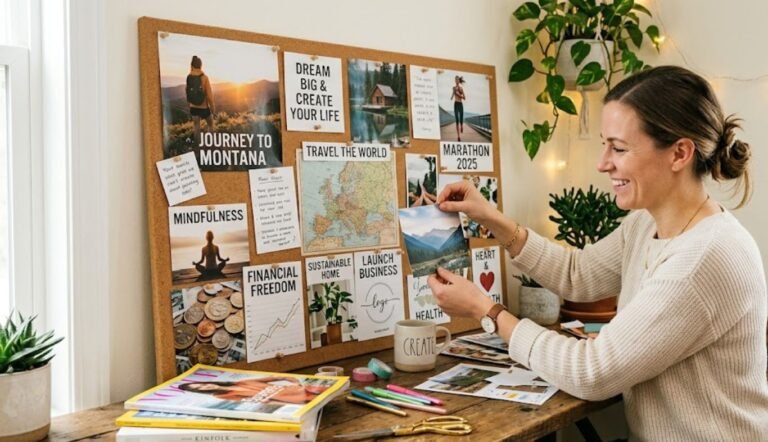
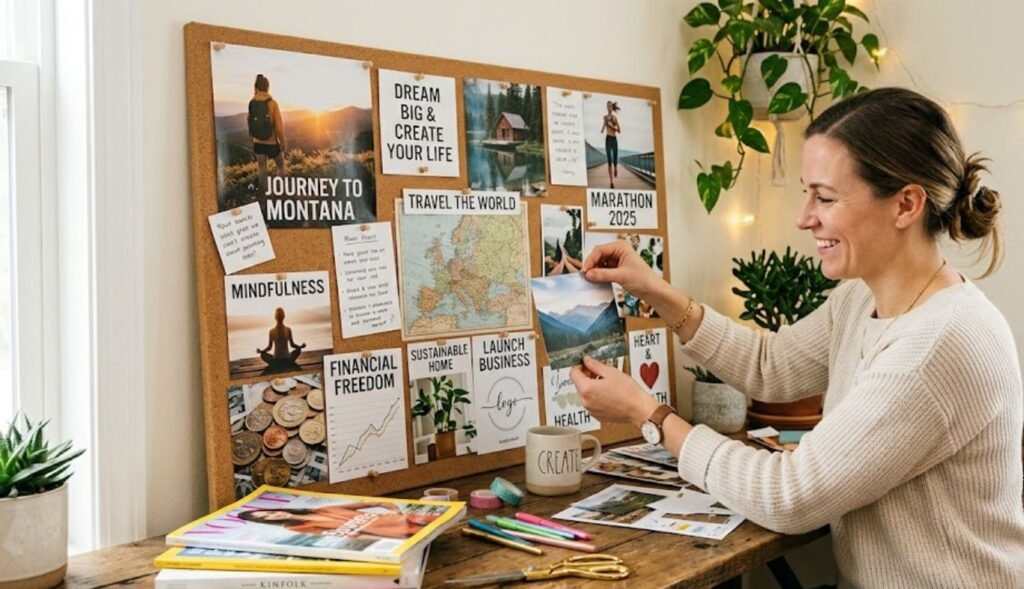
A vision board is a collection of pictures, inspirational quotes, words, and symbols that represent your dreams and future aspirations. It acts as a visual representation of your ideal life.
Many successful people use vision boards because they help maintain clarity and direction. Instead of allowing goals to remain abstract ideas, a vision board transforms them into something you can see every day.
A traditional vision board is created using:
- Poster board
- Magazine cutouts
- Printed photographs
- Inspirational quotes
- Stickers
- Personal affirmations
- Drawings
- Decorative elements
Today, many people also create digital vision boards using online design tools, mobile apps, or presentation software.
The purpose remains the same: keeping your goals visible so you remember to work toward them consistently.
Why Vision Boards Work
Vision boards aren’t magic. They don’t automatically make dreams come true. Instead, they help strengthen habits that increase the likelihood of success.
Here’s why they can be effective:
They Improve Goal Clarity
Many people know they want a “better life,” but that’s too vague. Creating a vision board forces you to define exactly what success means.
For example:
| Vague Goal | Clear Goal |
|---|---|
| Be healthier | Exercise four times each week |
| Save money | Save $10,000 this year |
| Travel more | Visit Japan by next summer |
| Learn skills | Complete two online certifications |
Specific goals are much easier to pursue.
They Keep You Motivated
Life gets busy. It’s easy to forget long-term goals when daily responsibilities pile up.
Seeing your vision board every morning reminds you why you’re working hard.
Even a quick glance can renew your motivation and encourage positive choices throughout the day.
They Encourage Positive Thinking
Positive thinking alone doesn’t guarantee success, but maintaining an optimistic outlook often helps people stay persistent during challenges.
A vision board reminds you that setbacks are temporary while your larger goals remain important.
They Increase Daily Focus
Every decision you make moves you either closer to your goals or farther away.
When your priorities remain visible, you’re more likely to ask yourself:
- Does this decision support my goals?
- Is this worth my time?
- What action can I take today?
These small daily choices eventually produce meaningful results.
Benefits of Creating a Vision Board
There are many reasons people choose to create vision boards.
Better Goal Setting
A vision board encourages thoughtful planning instead of random dreaming.
You begin identifying:
- Short-term goals
- Long-term objectives
- Personal milestones
- Career ambitions
Increased Motivation
Motivation naturally rises when you can clearly picture your future.
Instead of focusing on obstacles, you begin focusing on opportunities.
Greater Self-Awareness
While creating your board, you’ll discover what truly matters.
Some people realize they value family more than money.
Others discover they care more about freedom than status.
This process creates valuable self-awareness.
Reduced Stress
Having a clear direction often reduces uncertainty.
Rather than feeling overwhelmed, you gain confidence because you know what you’re working toward.
Stronger Decision-Making
Clear goals simplify everyday decisions.
When opportunities appear, you’ll find it easier to determine whether they align with your long-term vision.
Different Types of Vision Boards
Not every vision board looks the same.
Choosing the right format depends on your personality and goals.
Traditional Vision Board
This classic version uses:
- Poster board
- Printed images
- Quotes
- Decorative materials
Many people enjoy the creative process because it feels personal and artistic.
Digital Vision Board
Digital boards are becoming increasingly popular.
Advantages include:
- Easy updates
- Mobile accessibility
- Cloud storage
- Professional appearance
- Environmentally friendly
Popular tools include Canva, PowerPoint, Google Slides, and Pinterest.
Goal-Based Vision Board
Instead of covering every aspect of life, this board focuses on one objective.
Examples include:
- Weight loss
- Business growth
- Graduation
- Home ownership
- Wedding planning
Category Vision Board
Some people divide their board into sections such as:
| Category | Examples |
|---|---|
| Career | Promotion, business, leadership |
| Health | Fitness, nutrition, mental wellness |
| Relationships | Family, friendships, marriage |
| Finance | Savings, investments, debt-free living |
| Travel | Countries, vacations, adventures |
| Personal Growth | Reading, confidence, education |
Organizing goals this way creates balance across different areas of life.
How to Make a Vision Board Step by Step
Now that you understand what a vision board is and why it can be an effective goal-setting tool, it’s time to learn how to make a vision board that reflects your dreams and inspires you to take consistent action. Follow these ten practical steps to create a board you’ll enjoy looking at every day.
Step 1: Define Your Goals
Start by thinking about what you want to accomplish over the next year or even the next five years. Your goals should be meaningful, realistic, and aligned with your values.
Ask yourself questions such as:
- What kind of career do I want?
- How can I improve my health?
- What financial milestones am I aiming for?
- Which personal skills would I like to develop?
- Where do I want to travel?
- What relationships do I want to strengthen?
Write your answers in a notebook before selecting images. This simple exercise creates clarity and ensures your vision board reflects your true aspirations rather than passing trends.
Step 2: Gather Inspiration
Once you’ve defined your goals, begin collecting images and words that represent them.
Look for inspiration in:
- Magazines
- Books
- Personal photographs
- Online image libraries
- Pinterest boards
- Inspirational blogs
- Travel brochures
- Business magazines
Choose visuals that create excitement whenever you see them. Every picture should remind you of a specific dream or milestone.
Step 3: Collect Your Materials
For a physical vision board, gather everything you’ll need before you begin.
| Material | Purpose |
|---|---|
| Poster board or corkboard | Base for your board |
| Magazines | Images and headlines |
| Scissors | Cutting pictures |
| Glue or tape | Attaching images |
| Markers | Writing goals |
| Printed quotes | Daily inspiration |
| Decorative stickers | Personal style |
| Photos | Personal motivation |
If you prefer a digital version, choose an online design platform that allows you to easily add images, text, and colors.
Step 4: Organize Your Ideas
Before gluing anything down, arrange your images into categories.
Some people organize their board by life areas, while others place the most important goal in the center.
Popular sections include:
- Career
- Health
- Family
- Travel
- Education
- Financial success
- Personal development
- Hobbies
A well-organized layout makes the board easier to understand at a glance.
Step 5: Design Your Vision Board
Now it’s time to bring everything together.
Arrange your pictures, motivational phrases, and affirmations in a visually appealing way. Leave some white space so the board doesn’t feel cluttered.
Include a balance of:
- Inspirational quotes
- Personal photos
- Goal statements
- Dream destinations
- Achievement symbols
- Positive affirmations
The final design should energize you whenever you look at it.
Step 6: Add Powerful Affirmations
Words have a strong influence on your mindset.
Instead of writing wishes, write affirmations as though your goals are already becoming reality.
Examples include:
- I am building a successful career.
- I make healthy choices every day.
- I attract meaningful opportunities.
- I am financially responsible.
- I continue learning and growing.
These affirmations reinforce confidence and encourage positive habits.
Step 7: Include Measurable Goals
A vision board works best when your goals are specific.
Instead of writing:
“I want more money.”
Try writing:
- Save $15,000 this year.
- Launch my online business by June.
- Read 24 books this year.
- Exercise five days each week.
Specific goals are easier to measure and achieve.
Step 8: Make It Personal
Your vision board should represent your life—not someone else’s.
Include items that genuinely inspire you, such as:
- Family photographs
- Graduation pictures
- Favorite travel memories
- Business logo ideas
- Certificates
- Inspirational letters
- Artwork
- Personal achievements
A personal touch creates a stronger emotional connection.
Step 9: Place It Somewhere Visible
Creating a beautiful vision board won’t help if it’s hidden in a closet.
Display it somewhere you’ll naturally see every day, such as:
- Home office
- Bedroom
- Study area
- Workspace
- Digital desktop wallpaper
- Phone lock screen
Regular exposure keeps your goals fresh in your mind.
Step 10: Review and Update Regularly
Goals evolve over time.
Review your vision board every month and ask yourself:
- Which goals have I completed?
- Which priorities have changed?
- What new opportunities have appeared?
- Which images no longer inspire me?
Updating your board keeps it relevant and motivating.
Best Categories to Include on Your Vision Board
A balanced vision board covers several important areas of life rather than focusing on just one.
Career
Include images that represent:
- Promotion
- Dream job
- Leadership
- Entrepreneurship
- Professional certifications
- Office environment
- Successful projects
Financial Goals
Financial stability is a common vision board category.
Examples include:
- Emergency savings
- Investment growth
- Debt-free living
- New home
- Retirement planning
- Passive income
Health and Wellness
Health supports every other goal.
Add images representing:
- Healthy meals
- Running
- Yoga
- Gym workouts
- Better sleep
- Mental wellness
- Meditation
Relationships
Strong relationships contribute greatly to happiness.
Include reminders about:
- Family time
- Marriage goals
- Friendships
- Community service
- Communication
- Quality time
Personal Growth
Personal development never stops.
Ideas include:
- Reading books
- Public speaking
- Learning new languages
- Confidence
- Leadership
- Creativity
- Time management
Travel and Adventure
Travel goals keep life exciting.
Include:
- Dream destinations
- National parks
- Beaches
- Mountains
- Cultural experiences
- Road trips
- Adventure activities
Vision Board Ideas for Different Goals
Every person has unique dreams. Tailor your board to fit your priorities.
| Goal | Vision Board Ideas |
|---|---|
| Career Growth | Office, awards, business plans, networking events |
| Fitness | Workout plans, healthy recipes, marathon photos |
| Education | Diplomas, books, online courses, graduation |
| Family | Vacation photos, family gatherings, home improvements |
| Business | Logos, clients, revenue goals, marketing ideas |
| Creativity | Art supplies, photography, writing inspiration |
| Travel | Maps, passports, famous landmarks, itineraries |
| Financial Freedom | Savings charts, investment symbols, budgeting goals |
Remember, there are no strict rules. Your vision board should reflect your personal ambitions and motivate you to keep moving forward.
Common Mistakes to Avoid When Creating a Vision Board
Even though learning how to make a vision board is simple, a few common mistakes can reduce its effectiveness. Avoiding these pitfalls will help you create a board that truly supports your goals.
Setting Unrealistic Goals
Dream big, but keep your goals achievable. If every goal feels impossible, it’s easy to become discouraged. Break large ambitions into smaller milestones that you can celebrate along the way.
Copying Someone Else’s Vision
Your vision board should reflect your dreams, not what you see on social media or what others expect from you. Focus on what genuinely matters to your life and values.
Adding Too Much Clutter
A board filled with too many images, quotes, and decorations can become overwhelming. Keep your layout clean and organized so your key goals stand out.
Forgetting to Take Action
A vision board is a motivational tool, not a substitute for action. Looking at inspiring pictures alone won’t achieve your goals. Pair your board with daily habits, planning, and consistent effort.
Never Updating the Board
As your life changes, your goals may change too. Review your vision board regularly and replace outdated images or completed goals with new aspirations.
How to Use Your Vision Board Every Day
A vision board is most effective when it becomes part of your daily routine.
Spend a Few Minutes Reviewing It
Take a few moments each morning or evening to look at your board. Think about the progress you’ve made and the next small step you can take.
Practice Positive Affirmations
Read your affirmations aloud to reinforce confidence and maintain a positive mindset. Repeating encouraging statements can help you stay focused on long-term objectives.
Visualize Success
Imagine yourself achieving your goals. Picture the details, emotions, and experiences connected to your success. Visualization can strengthen motivation and improve commitment.
Track Your Progress
Keep a journal or checklist alongside your vision board. Record completed milestones, lessons learned, and new ideas as you move toward your goals.
Celebrate Small Wins
Every achievement matters. Whether you’ve completed a course, reached a savings target, or developed a healthier habit, take time to recognize your progress.
Digital vs. Physical Vision Boards
Both digital and physical vision boards can be effective. The best choice depends on your preferences and lifestyle.
| Feature | Digital Vision Board | Physical Vision Board |
|---|---|---|
| Accessibility | Available on multiple devices | Visible in one location |
| Updates | Quick and easy | Requires replacing printed materials |
| Creativity | Unlimited design options | Hands-on crafting experience |
| Cost | Often free or low cost | May require supplies |
| Portability | Easy to carry on mobile devices | Less portable |
Choose a Digital Vision Board If You:
- Prefer working online.
- Travel frequently.
- Want to update goals often.
- Like using design software.
- Need access from multiple devices.
Choose a Physical Vision Board If You:
- Enjoy creative projects.
- Prefer tangible reminders.
- Have a dedicated workspace.
- Like decorating your environment.
- Want a screen-free planning experience.
There is no right or wrong option. The most effective vision board is the one you will use consistently.
Tips for Keeping Your Vision Board Effective
To get the most from your vision board, follow these practical tips:
- Review it every day.
- Keep your goals specific and measurable.
- Replace outdated images with new ones.
- Add meaningful quotes and affirmations.
- Connect each image to a clear action plan.
- Celebrate completed goals.
- Stay flexible as your priorities evolve.
Consistency is more important than perfection. Even small actions, repeated regularly, can lead to significant progress over time.
Frequently Asked Questions (FAQs)
1. What is the purpose of a vision board?
A vision board helps you organize your goals visually, making it easier to stay motivated and focused. It serves as a daily reminder of what you want to achieve.
2. How often should I update my vision board?
Review your vision board monthly and update it whenever your goals change or you accomplish important milestones.
3. Can I create a digital vision board instead of a physical one?
Yes. Digital vision boards are popular because they are easy to edit, store, and access on phones, tablets, and computers.
4. Do vision boards really work?
Vision boards can be effective when combined with clear goal-setting, consistent action, and regular review. They are a motivational tool rather than a guarantee of success.
5. What should I include on my vision board?
Include images, inspiring quotes, personal photos, affirmations, and symbols that represent your goals in areas such as career, health, finances, relationships, travel, and personal development.
6. Where should I place my vision board?
Place it somewhere you’ll see every day, such as your bedroom, office, study space, or as your computer or phone wallpaper.
7. Can children and students use vision boards?
Absolutely. Vision boards can help students set academic, personal, and extracurricular goals while encouraging creativity and positive thinking.
Conclusion
Learning how to make a vision board is a practical way to turn ideas into meaningful goals. By identifying what matters most, selecting inspiring visuals, and reviewing your board regularly, you create a powerful reminder of the future you want to build.
Remember that a vision board is only one part of the process. Lasting success comes from pairing inspiration with consistent action, thoughtful planning, and a willingness to adapt as your priorities evolve.
Whether you choose a traditional poster board or a digital design, your vision board should reflect your personal journey and encourage you to make progress every day. Start small, stay committed, and update your board as your dreams evolve.