

Comprehensive Article Outline
| Heading Level | Topic |
|---|---|
| H1 | How to Start a YouTube Channel: The Ultimate 12-Step Blueprint for Long-Term Success |
| H2 | Why YouTube Is Still One of the Best Platforms for Creators |
| H2 | Define Your Purpose Before You Create a Channel |
| H2 | Choose the Right YouTube Niche |
| H3 | Evergreen Niches |
| H3 | Trending Niches |
| H2 | Identify Your Target Audience |
| H2 | Create a Professional YouTube Channel |
| H3 | Naming Your Channel |
| H3 | Designing Your Branding |
| H2 | Essential Equipment for Beginners |
| H3 | Cameras |
| H3 | Microphones |
| H3 | Lighting |
| H2 | Plan Your First Videos |
| H2 | Learn Basic Video Editing |
| H2 | Optimize Videos for YouTube SEO |
| H3 | Titles |
| H3 | Descriptions |
| H3 | Tags |
| H3 | Thumbnails |
| H2 | Upload Your First Video |
| H2 | Build a Consistent Publishing Schedule |
| H2 | Promote Your YouTube Videos |
| H2 | Understand YouTube Analytics |
| H2 | Grow Your Subscribers Organically |
| H2 | Monetize Your YouTube Channel |
| H2 | Common Mistakes to Avoid |
| H2 | Frequently Asked Questions |
| H2 | Conclusion |
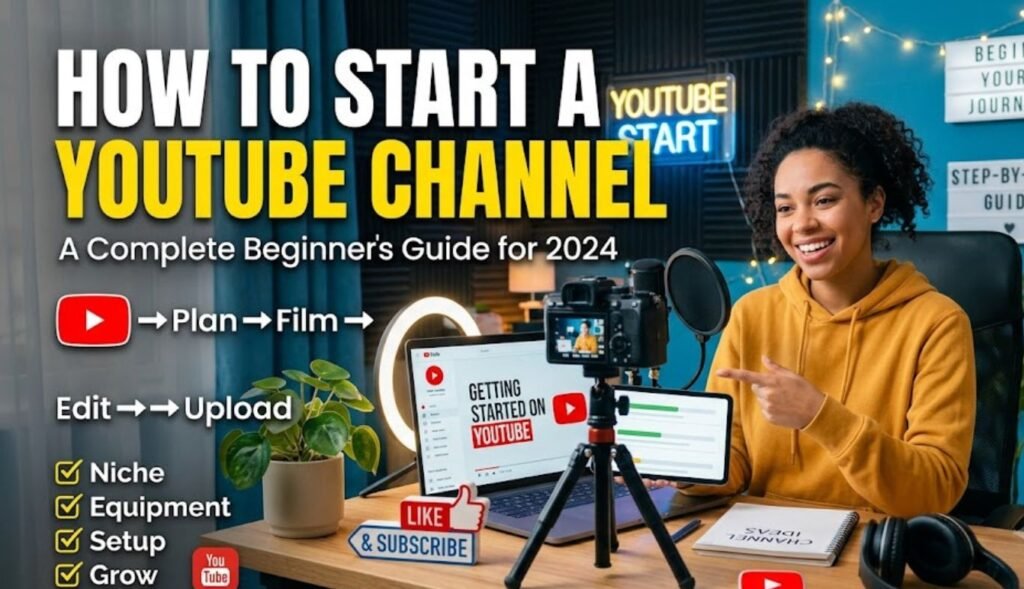
Learning how to start a YouTube channel has become one of the smartest skills anyone can develop in today’s digital world. Whether you want to build a personal brand, promote a business, earn passive income, or simply share your passion with others, YouTube offers endless opportunities.
Millions of people visit YouTube every day to learn new skills, watch entertainment, discover products, and connect with creators. The platform continues to grow every year, making it an excellent place for beginners willing to create valuable content consistently.
The good news is that you don’t need expensive equipment or years of experience to get started. Many successful creators began with a smartphone, a simple editing app, and a clear goal.
This guide explains how to start a YouTube channel from scratch while following proven strategies that successful creators use today.
Why YouTube Is Still One of the Best Platforms for Creators
YouTube remains the world’s largest video-sharing platform and the second-largest search engine after Google. Every day, billions of videos are watched by people looking for education, entertainment, reviews, tutorials, and inspiration.
Unlike many social media platforms where posts disappear quickly, YouTube videos can continue receiving views for years. A single well-optimized video can generate traffic long after it has been published.
Some of the biggest advantages include:
- Free to start
- Massive global audience
- Multiple income opportunities
- Long-term content lifespan
- Strong search visibility
- Excellent branding potential
- High trust among viewers
Whether you’re a student, entrepreneur, freelancer, teacher, gamer, fitness coach, or hobbyist, YouTube provides a platform where your expertise can reach people worldwide.
Define Your Purpose Before You Create a Channel
One of the biggest mistakes beginners make is creating videos without a clear direction.
Before opening your channel, ask yourself these important questions:
- Why do I want to start YouTube?
- Who do I want to help?
- What knowledge or skills can I share?
- How often can I upload?
- What does success look like after one year?
Having a clear purpose helps you stay motivated even when your early videos receive only a handful of views.
Your goals might include:
| Goal | Example |
|---|---|
| Build a personal brand | Become known as an expert |
| Earn money | Ad revenue and sponsorships |
| Promote a business | Drive customers to products |
| Teach others | Educational tutorials |
| Entertain viewers | Comedy, gaming, or lifestyle videos |
A focused purpose also makes it easier to create content that your audience expects.
Choose the Right YouTube Niche
Choosing the right niche is one of the most important decisions you’ll make when learning how to start a YouTube channel.
Your niche determines the type of audience you’ll attract and the content you’ll create.
Instead of trying to make videos about everything, focus on one specific topic.
Evergreen Niches
Evergreen topics remain popular throughout the year.
Examples include:
- Personal finance
- Technology
- Cooking
- Health and fitness
- Education
- Home improvement
- Productivity
- Business
- Digital marketing
- Photography
These niches often generate steady search traffic for many years.
Trending Niches
Trending niches can produce rapid growth but may change quickly.
Popular examples include:
- AI tools
- New technology
- Gaming updates
- Viral challenges
- Social media trends
- Product reviews
- Cryptocurrency news
Many successful creators combine evergreen content with trending topics to balance long-term growth and short-term visibility.
When selecting a niche, consider these three factors:
- Your passion.
- Your knowledge.
- Audience demand.
The best niche sits where all three overlap.
Identify Your Target Audience
A successful YouTube channel isn’t made for everyone.
It’s made for a specific group of people.
Think about your ideal viewer.
Ask yourself:
- How old are they?
- What problems do they have?
- What questions do they ask?
- What videos do they already watch?
- What solutions can you provide?
For example:
| Audience | Content Ideas |
|---|---|
| Students | Study tips, productivity hacks |
| Small business owners | Marketing tutorials |
| Fitness beginners | Home workouts |
| Travelers | Budget travel guides |
| Parents | Parenting advice |
| Gamers | Gameplay and reviews |
Understanding your audience helps you create videos that solve real problems instead of guessing what people might enjoy.
The more valuable your content becomes, the more likely viewers are to subscribe, comment, and return for future videos.
Create a Professional YouTube Channel
Once you’ve identified your niche and audience, it’s time to build a professional-looking channel.
Fortunately, setting up a YouTube channel takes only a few minutes.
Start by signing in with your Google account and creating a dedicated channel rather than using a personal profile. This makes your brand look more professional and allows room for future growth.
Naming Your Channel
A memorable name should be:
- Easy to spell
- Easy to pronounce
- Relevant to your niche
- Short and memorable
- Unique across social platforms
Avoid names filled with random numbers or difficult words.
Designing Your Branding
Your branding creates the first impression for new visitors.
Make sure your channel includes:
- A professional profile picture
- An attractive channel banner
- A keyword-rich channel description
- Links to your website and social media
- Organized playlists
Consistent branding helps viewers recognize your content instantly.
Even simple branding can make your channel appear trustworthy and professional.
Essential Equipment for Beginners
One of the biggest myths about how to start a YouTube channel is that you need expensive gear before publishing your first video. In reality, many successful YouTubers began with basic equipment and upgraded only after their channels started growing.
The most important factors are clear audio, good lighting, and valuable content. Viewers are far more likely to forgive average video quality than poor sound or unhelpful information.
If you’re just getting started, focus on creating videos consistently instead of spending thousands of dollars on professional equipment.
Cameras
Your camera is important, but it doesn’t have to be expensive.
Here are some common options:
| Camera Type | Best For | Pros |
|---|---|---|
| Smartphone | Beginners | Affordable, easy to use, excellent quality |
| Webcam | Tutorials and live streams | Simple setup |
| Mirrorless Camera | Professional creators | High-quality video |
| DSLR Camera | Cinematic videos | Excellent image quality |
| Action Camera | Travel and sports | Compact and durable |
Modern smartphones can record in Full HD or even 4K, making them a great choice for new creators.
Microphones
Audio quality often matters more than video quality.
Consider these microphone options:
- USB microphone for desk recordings
- Lavalier microphone for talking-head videos
- Shotgun microphone for outdoor recording
- Wireless microphone for movement and interviews
Always record in a quiet environment to reduce background noise.
Lighting
Good lighting makes your videos look more professional.
Natural light from a window works well for beginners. If you record regularly, consider investing in:
- Ring lights
- LED panel lights
- Softbox lighting kits
Position the light in front of you rather than behind you to keep your face bright and clear.
Plan Your First Videos
Planning your content before recording saves time and improves quality.
Instead of uploading random videos, create a content strategy that aligns with your niche and audience.
A simple content plan might include:
- Educational tutorials
- Beginner guides
- Frequently asked questions
- Product reviews
- Behind-the-scenes videos
- Industry news
- Tips and tricks
- Case studies
For each video, write down:
- The main topic
- The target audience
- The key points to cover
- A strong introduction
- A clear call to action
This preparation helps you stay focused and deliver more engaging content.
Create a Simple Script
You don’t need to memorize every word, but having a script or outline prevents you from forgetting important details.
A basic video structure includes:
- Hook the viewer in the first few seconds.
- Introduce the topic.
- Deliver valuable information.
- Summarize the key points.
- Encourage viewers to like, comment, and subscribe.
Keeping your videos organized improves viewer retention.
Learn Basic Video Editing
Editing transforms raw footage into a polished video.
You don’t need advanced editing skills to get started. Simple cuts, clean transitions, readable text, and balanced audio are enough for most beginner videos.
Popular editing software includes:
| Software | Skill Level |
|---|---|
| DaVinci Resolve | Beginner to Advanced |
| CapCut | Beginner |
| iMovie | Beginner |
| Adobe Premiere Pro | Advanced |
| Final Cut Pro | Intermediate to Advanced |
When editing your videos:
- Remove unnecessary pauses.
- Cut mistakes and distractions.
- Add background music carefully.
- Include captions when appropriate.
- Use zooms or graphics to highlight important points.
Avoid overusing flashy effects. Clean, easy-to-follow editing usually performs better.
Optimize Videos for YouTube SEO
Creating a great video is only half the job. To increase your chances of being discovered, you need to optimize every upload for YouTube search.
YouTube SEO helps your videos appear in search results and suggested videos.
Include your target keyword naturally in:
- Video title
- Description
- Tags
- Spoken dialogue
- Captions
- File name (before uploading)
For this guide, the keyword how to start a YouTube channel should appear naturally throughout the content without overusing it.
Write Compelling Titles
A strong title should:
- Include the main keyword.
- Be clear and specific.
- Spark curiosity.
- Stay concise.
Examples:
- How to Start a YouTube Channel in 2026
- How to Start a YouTube Channel That Grows Fast
- Beginner’s Guide: How to Start a YouTube Channel Successfully
Avoid misleading clickbait titles that don’t match your content.
Craft Helpful Descriptions
Your video description gives YouTube more context about your content.
Include:
- A brief summary
- Your primary keyword
- Related keywords
- Useful links
- Chapters (if applicable)
- Social media or website links
Aim for informative descriptions rather than keyword stuffing.
Use Relevant Tags
Tags help reinforce your video’s topic.
Examples include:
- YouTube tips
- YouTube beginners
- Video marketing
- Content creation
- Creator tools
- Grow on YouTube
Although tags aren’t as influential as they once were, they can still provide additional context.
Design Eye-Catching Thumbnails
A thumbnail is often the first thing viewers notice.
An effective thumbnail should:
- Use high-resolution images.
- Include large, readable text.
- Feature contrasting colors.
- Highlight emotions or results.
- Stay consistent with your branding.
Avoid cluttered designs. Simplicity often attracts more clicks.
Upload Your First Video
After editing and optimizing your content, you’re ready to publish.
Before clicking the upload button, review this checklist:
| Task | Completed |
|---|---|
| High-quality video exported | ✔ |
| Keyword included in title | ✔ |
| Description written | ✔ |
| Thumbnail added | ✔ |
| Tags included | ✔ |
| Playlist selected | ✔ |
| End screen added | ✔ |
| Cards inserted | ✔ |
Once your video is live, share it with friends, family, or your online community to generate initial engagement.
Don’t be discouraged if your first video receives only a few views. Every successful YouTuber started somewhere, and improvement comes with practice.
Build a Consistent Publishing Schedule
Consistency is one of the strongest signals you can send to both your audience and YouTube’s algorithm.
Choose a schedule you can realistically maintain, such as:
- One video per week
- Two videos per week
- Weekly live stream plus one upload
Create a content calendar to plan topics in advance. This reduces stress and helps you maintain momentum.
Remember, quality matters more than quantity. Publishing one valuable video every week is better than posting daily with inconsistent quality.
Developing a routine also helps viewers know when to expect new content, increasing the likelihood that they’ll return to your channel.
Promote Your YouTube Videos
Creating high-quality videos is only the beginning. To grow faster, you need to actively promote your content. Learning how to start a YouTube channel also means understanding how to reach people beyond YouTube’s search results.
Sharing your videos across multiple platforms can increase your views, attract subscribers, and build a loyal community. Instead of posting links everywhere without context, tailor your promotion to each platform.
Here are some effective ways to promote your videos:
- Share new uploads on Facebook, X (formerly Twitter), LinkedIn, Instagram, and Pinterest.
- Turn key moments into YouTube Shorts to attract new viewers.
- Embed videos in relevant blog posts on your website.
- Send your latest videos to your email subscribers.
- Answer related questions on online communities and include your video only when it adds value.
- Collaborate with creators in your niche to reach a wider audience.
Promotion should feel helpful rather than spammy. Focus on providing value first, and your audience will be more likely to watch and share your content.
Understand YouTube Analytics
One of the best tools available to creators is YouTube Analytics. It helps you understand how viewers interact with your content so you can make informed decisions.
Instead of guessing what works, use data to improve your videos over time.
Pay close attention to these important metrics:
| Metric | Why It Matters |
|---|---|
| Views | Shows how many people watched your video |
| Watch Time | Indicates how long viewers stay engaged |
| Audience Retention | Reveals where viewers stop watching |
| Click-Through Rate (CTR) | Measures how effective your title and thumbnail are |
| Subscribers Gained | Tracks channel growth |
| Traffic Sources | Shows where viewers found your videos |
| Returning Viewers | Indicates audience loyalty |
Review your analytics after every upload. If one video performs exceptionally well, identify what made it successful and apply those lessons to future content.
Grow Your Subscribers Organically
Subscriber growth doesn’t happen overnight. It takes patience, consistency, and a commitment to helping your audience.
Here are proven strategies to grow naturally:
Publish Valuable Content
Every video should solve a problem, answer a question, or entertain your viewers. Valuable content encourages people to subscribe for more.
Keep a Consistent Schedule
Uploading on a regular schedule helps build trust. Whether you publish once a week or twice a month, consistency is more important than frequency.
Engage With Your Audience
Reply to comments, ask questions, and encourage discussions. Building relationships with viewers creates a stronger community.
Improve Every Video
Each upload should be slightly better than the last. Focus on improving your presentation, editing, storytelling, thumbnails, and SEO.
Use Playlists
Organize related videos into playlists. This keeps viewers watching multiple videos and increases overall watch time.
Create Strong Calls to Action
At the end of each video, politely ask viewers to:
- Subscribe
- Like the video
- Leave a comment
- Share the video
- Watch another related video
Simple reminders can significantly improve engagement when they feel natural.
Monetize Your YouTube Channel
Many beginners want to know how to earn money after learning how to start a YouTube channel. While monetization takes time, there are several ways to generate income.
YouTube Partner Program
The YouTube Partner Program allows eligible creators to earn revenue from ads displayed on their videos.
Requirements may change over time, so always review the latest eligibility guidelines on YouTube’s official Help Center.
Affiliate Marketing
Promote products or services you genuinely recommend and earn a commission when viewers make a purchase through your affiliate links.
Brand Sponsorships
As your audience grows, companies may pay you to feature their products or services in your videos.
Choose sponsorships that align with your niche and audience to maintain trust.
Sell Digital Products
Many creators earn income by selling:
- Online courses
- E-books
- Templates
- Presets
- Printables
- Memberships
Digital products can become an important source of recurring revenue.
Offer Services
If you’re an expert in your field, your channel can help attract clients for services such as:
- Consulting
- Coaching
- Graphic design
- Video editing
- Web development
- Marketing
Diversifying your income helps create a more sustainable business.
Common Mistakes to Avoid
Even experienced creators make mistakes, but avoiding common ones can accelerate your growth.
Uploading Without a Plan
Random content makes it difficult for viewers to understand what your channel offers.
Ignoring Audio Quality
Poor audio can drive viewers away, even if your video looks great.
Using Misleading Clickbait
Titles and thumbnails should accurately represent your content. Misleading viewers may increase clicks initially but often reduces trust and watch time.
Quitting Too Early
Many channels take months before gaining momentum. Stay consistent and keep learning from your analytics.
Neglecting SEO
Optimizing titles, descriptions, and thumbnails increases your chances of appearing in search results and recommended videos.
Forgetting Your Audience
Always create content that serves your viewers’ needs rather than focusing only on what you want to publish.
Frequently Asked Questions
1. Is YouTube free to start?
Yes. Creating and managing a YouTube channel is free. You only need a Google account and internet access.
2. How often should I upload videos?
Consistency matters more than frequency. A realistic schedule—such as one quality video each week—is often better than daily uploads that sacrifice quality.
3. Can I start a YouTube channel with my phone?
Absolutely. Many successful creators began with a smartphone, good lighting, and clear audio before investing in professional equipment.
4. How long should my YouTube videos be?
The ideal length depends on your topic and audience. Focus on delivering complete, engaging content rather than meeting a specific duration.
5. When can I start earning money on YouTube?
You can apply for monetization after meeting the current requirements for the YouTube Partner Program and complying with YouTube’s policies.
6. What’s the best niche for beginners?
The best niche combines your interests, expertise, and audience demand. Choose a topic you can consistently create content about over the long term.
Conclusion
Learning how to start a YouTube channel is an exciting journey that combines creativity, strategy, and consistency. While success rarely happens overnight, every upload helps you improve your skills, understand your audience, and strengthen your presence on the platform.
Start by choosing a clear niche, defining your audience, and creating valuable videos with the equipment you already have. Focus on improving your production quality, optimizing every upload for YouTube SEO, and maintaining a realistic publishing schedule. Use analytics to learn what resonates with viewers, promote your content responsibly, and explore multiple monetization opportunities as your channel grows.
Most importantly, don’t wait for the “perfect” moment. Your first video won’t be your best, and that’s perfectly normal. Every successful creator started with a single upload. Stay committed to learning, keep refining your content, and continue delivering value. Over time, your consistency and dedication can transform a simple YouTube channel into a thriving platform that educates, entertains, and generates lasting opportunities.