
Comprehensive Outline
| Heading Level | Topic |
|---|---|
| H1 | Printable Weekly Meal Planner: Ultimate 21-Step Guide to Stress-Free Healthy Eating |
| H2 | Introduction to a Printable Weekly Meal Planner |
| H2 | Why Meal Planning Matters |
| H3 | Benefits for Health |
| H3 | Benefits for Budgeting |
| H3 | Benefits for Time Management |
| H2 | Understanding a Printable Weekly Meal Planner |
| H3 | Core Components |
| H3 | Types of Meal Planners |
| H2 | How to Create an Effective Weekly Plan |
| H3 | Assess Household Needs |
| H3 | Set Nutrition Goals |
| H3 | Build a Shopping List |
| H2 | Designing the Perfect Printable Weekly Meal Planner |
| H3 | Essential Sections |
| H3 | Color Coding and Organization |
| H2 | Meal Planning for Different Lifestyles |
| H3 | Families |
| H3 | Singles |
| H3 | Athletes |
| H3 | Busy Professionals |
| H2 | Budget-Friendly Meal Planning Strategies |
| H3 | Smart Grocery Shopping |
| H3 | Reducing Food Waste |
| H2 | Common Meal Planning Mistakes |
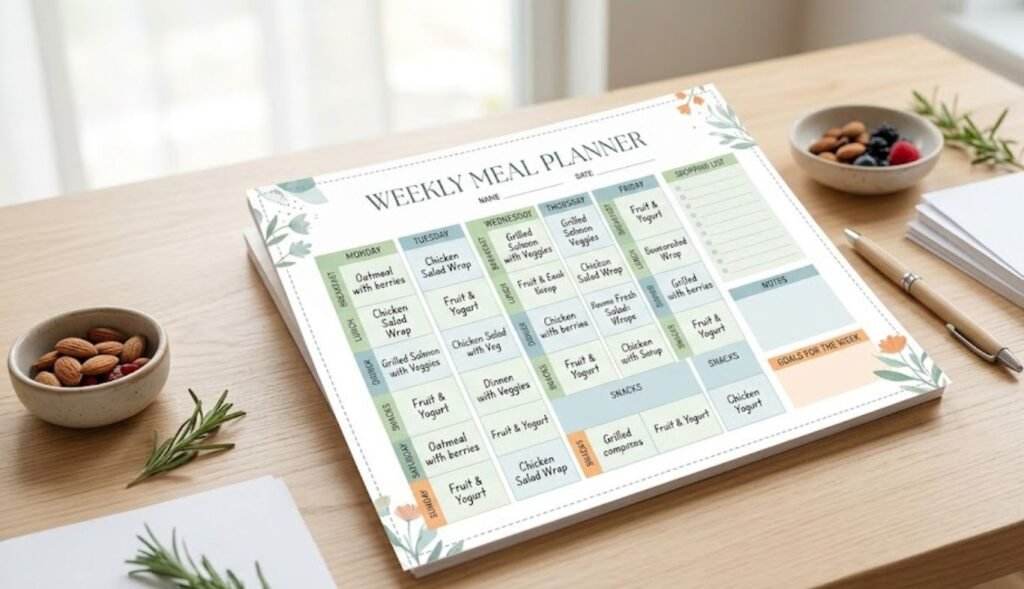
| H2 | Sample Printable Weekly Meal Planner Template |
| H2 | Advanced Meal Prep Techniques |
| H2 | Frequently Asked Questions |
| H2 | Conclusion |
Introduction to a Printable Weekly Meal Planner
A printable weekly meal planner is one of the most practical tools for organizing meals, reducing stress, and supporting healthy eating habits. Whether you’re planning meals for a large family, managing a tight budget, or simply trying to save time during busy weekdays, a structured meal plan can make a remarkable difference.
Many people struggle with deciding what to cook every day. As a result, they often rely on takeout, spend more money at grocery stores, or waste food that goes unused. A printable weekly meal planner solves these common challenges by providing a clear roadmap for breakfast, lunch, dinner, and snacks.
In today’s fast-paced world, convenience matters. However, convenience doesn’t have to mean sacrificing nutrition. By using a printable weekly meal planner consistently, households can enjoy healthier meals while maintaining better control over spending and food choices.
Furthermore, meal planning supports long-term wellness goals. It helps individuals make intentional decisions rather than last-minute choices. This proactive approach often leads to improved dietary habits and less reliance on processed foods.
Why Meal Planning Matters
Meal planning has evolved from a simple organizational method into a valuable lifestyle strategy. Let’s explore why it has become increasingly popular.
Benefits for Health
One of the primary advantages of using a printable weekly meal planner is improved nutrition.
When meals are planned ahead:
- Portion sizes become easier to manage.
- Balanced nutrition is easier to achieve.
- Healthy ingredients are prioritized.
- Impulse food purchases decrease.
- Fast-food consumption often declines.
Planning also helps people incorporate a variety of food groups throughout the week. Instead of repeating the same meals, individuals can schedule vegetables, fruits, lean proteins, whole grains, and healthy fats in balanced proportions.
Benefits for Budgeting
Food expenses can quickly add up. Without a plan, shoppers often purchase duplicate items or unnecessary products.
A meal planner helps by:
- Creating focused grocery lists.
- Reducing impulse purchases.
- Preventing food waste.
- Encouraging bulk buying when appropriate.
- Maximizing ingredients across multiple meals.
For example, roasted chicken prepared on Monday can become salad toppings on Tuesday and soup ingredients on Wednesday.
Benefits for Time Management
Time is valuable. Deciding what to cook every evening can create unnecessary stress.
Meal planning:
- Reduces daily decision-making.
- Streamlines grocery shopping.
- Simplifies meal preparation.
- Improves kitchen efficiency.
- Creates predictable routines.
As the saying goes, “Failing to plan is planning to fail.” A printable weekly meal planner puts that wisdom into action.
Understanding a Printable Weekly Meal Planner
Before creating a planner, it’s important to understand its purpose and structure.
Core Components
A typical printable weekly meal planner includes:
| Component | Purpose |
|---|---|
| Breakfast Section | Morning meal planning |
| Lunch Section | Midday meal organization |
| Dinner Section | Evening meal preparation |
| Snack Section | Healthy snack tracking |
| Grocery List | Shopping organization |
| Notes Area | Special reminders |
These components create a complete framework for weekly food management.
Types of Meal Planners
Different households require different formats.
Common planner types include:
Daily Detailed Planner
Provides space for every meal and snack.
Family Meal Planner
Designed for multiple household members.
Budget Meal Planner
Focuses on affordability and grocery tracking.
Fitness Meal Planner
Supports calorie, protein, and nutrition goals.
Vegetarian Meal Planner
Organizes plant-based meal choices.
Selecting the right planner increases consistency and long-term success.
How to Create an Effective Weekly Plan
Creating a successful meal plan doesn’t require professional nutrition training. It simply requires a structured approach.
Assess Household Needs
Begin by evaluating:
- Number of household members
- Dietary restrictions
- Food allergies
- Preferred cuisines
- Weekly schedules
For example, households with children involved in sports may need quick weeknight dinners and portable snacks.
Set Nutrition Goals
Establish realistic objectives such as:
- Increasing vegetable intake
- Reducing processed foods
- Eating more protein
- Improving hydration
- Managing portion sizes
Goals provide direction and make the printable weekly meal planner more purposeful.
Build a Shopping List
Once meals are selected, organize ingredients by category.
Suggested categories include:
| Category | Examples |
|---|---|
| Produce | Fruits and vegetables |
| Proteins | Chicken, fish, beans |
| Dairy | Milk, yogurt, cheese |
| Pantry | Rice, pasta, oats |
| Frozen | Vegetables, fruits |
This method improves shopping efficiency and reduces forgotten items.
Designing the Perfect Printable Weekly Meal Planner
An effective planner should be both practical and visually appealing.
Essential Sections
The most useful printable weekly meal planner includes:
- Weekly calendar layout
- Breakfast tracking
- Lunch tracking
- Dinner planning
- Snack scheduling
- Grocery checklist
- Budget tracking
- Notes section
Including these elements creates a comprehensive planning system.
Color Coding and Organization
Visual organization improves usability.
Consider using:
| Color | Purpose |
|---|---|
| Green | Vegetables |
| Blue | Proteins |
| Yellow | Breakfasts |
| Orange | Snacks |
| Purple | Special meals |
Color coding helps users identify patterns and maintain nutritional variety.
Additionally, keeping planners on refrigerators or kitchen bulletin boards increases visibility and accountability.
Meal Planning for Different Lifestyles
Not every household follows the same routine. Fortunately, a printable weekly meal planner can be customized for various lifestyles.
Families
Families often face unique challenges:
- Multiple preferences
- School schedules
- Sports activities
- Budget considerations
Helpful strategies include:
- Planning themed nights
- Preparing meals in bulk
- Involving children in menu selection
Examples:
- Monday: Pasta Night
- Tuesday: Taco Night
- Wednesday: Soup and Salad Night
- Thursday: Stir-Fry Night
- Friday: Homemade Pizza Night
Singles
Single-person households benefit significantly from meal planning.
Key tactics include:
- Batch cooking
- Freezing leftovers
- Using versatile ingredients
- Planning multiple uses for ingredients
This reduces waste while maximizing convenience.
Athletes
Athletes require strategic nutrition planning.
Important considerations include:
- Protein intake
- Hydration
- Recovery meals
- Pre-workout snacks
A printable weekly meal planner allows athletes to schedule nutrient-rich meals that support performance and recovery.
Busy Professionals
Professionals often experience demanding schedules.
Time-saving techniques include:
- Weekend meal prep
- Slow cooker recipes
- Sheet-pan meals
- Portable lunches
Preparation reduces dependence on expensive restaurant meals during the workweek.
Budget-Friendly Meal Planning Strategies
A major reason people adopt meal planning is cost control.
Smart Grocery Shopping
Use these proven strategies:
- Shop with a list.
- Compare unit prices.
- Buy seasonal produce.
- Utilize frozen vegetables.
- Purchase staples in bulk.
These practices can significantly reduce monthly grocery expenses.
For nutrition guidance and healthy eating recommendations, readers can explore MyPlate by USDA.
Reducing Food Waste
Food waste affects both budgets and sustainability.
Ways to reduce waste include:
- Planning leftovers intentionally
- Freezing extra portions
- Rotating pantry inventory
- Using produce before spoilage
- Tracking expiration dates
A printable weekly meal planner provides visibility into ingredient usage, making waste reduction much easier.
Common Meal Planning Mistakes
Even experienced planners occasionally encounter challenges.
Overcomplicating Meals
Complex recipes can become overwhelming.
Instead:
- Choose simple meals.
- Use familiar ingredients.
- Reserve elaborate dishes for weekends.
Ignoring the Schedule
A common mistake is planning meals that don’t match available cooking time.
For example:
| Day | Recommended Meal Type |
|---|---|
| Monday | Quick meals |
| Tuesday | Slow cooker |
| Wednesday | Leftovers |
| Thursday | One-pan meals |
| Friday | Family favorites |
Matching meals to schedules improves adherence.
Lack of Flexibility
Life happens.
Allow room for:
- Unexpected events
- Dining out
- Schedule changes
- Leftovers
Flexibility prevents frustration and improves long-term consistency.
Sample Printable Weekly Meal Planner Template
Below is a simple example.
| Day | Breakfast | Lunch | Dinner | Snack |
|---|---|---|---|---|
| Monday | Oatmeal | Chicken Salad | Grilled Chicken | Fruit |
| Tuesday | Yogurt | Turkey Wrap | Tacos | Nuts |
| Wednesday | Eggs | Rice Bowl | Stir Fry | Yogurt |
| Thursday | Smoothie | Salad | Pasta | Apple |
| Friday | Toast | Sandwich | Pizza | Popcorn |
| Saturday | Pancakes | Soup | BBQ Chicken | Fruit |
| Sunday | Omelet | Leftovers | Roast Dinner | Trail Mix |
Grocery Checklist Example
Produce
- Apples
- Bananas
- Lettuce
- Tomatoes
Proteins
- Chicken breast
- Turkey
- Eggs
Pantry
- Rice
- Pasta
- Oats
Dairy
- Yogurt
- Milk
- Cheese
This format can be printed weekly and customized based on preferences.
Advanced Meal Prep Techniques
Once basic planning becomes routine, advanced strategies can increase efficiency even further.
Batch Cooking
Prepare larger quantities of:
- Rice
- Beans
- Chicken
- Soups
- Roasted vegetables
These ingredients become building blocks for multiple meals.
Ingredient Preparation
Instead of preparing entire meals, prepare ingredients.
Examples:
- Wash vegetables
- Portion snacks
- Marinate proteins
- Cook grains
This method balances convenience with flexibility.
Freezer Planning
Freezers are valuable tools for meal planners.
Suitable freezer items include:
| Food Type | Freezer Friendly |
|---|---|
| Soups | Yes |
| Chili | Yes |
| Cooked Chicken | Yes |
| Rice | Yes |
| Fresh Lettuce | No |
Strategic freezer use helps maintain meal consistency during busy periods.
Seasonal Planning
Planning around seasonal ingredients provides:
- Better flavor
- Lower prices
- Greater variety
- Improved freshness
Seasonal planning also makes the printable weekly meal planner more enjoyable and sustainable throughout the year.
Frequently Asked Questions
1. What is a printable weekly meal planner?
A printable weekly meal planner is a structured document used to organize meals for an entire week, helping individuals and families manage nutrition, grocery shopping, and meal preparation.
2. How often should I update my meal planner?
Most people update their planner once per week. However, some households prefer biweekly or monthly planning depending on their schedules.
3. Can a printable weekly meal planner help save money?
Yes. By reducing impulse purchases, preventing food waste, and encouraging strategic grocery shopping, meal planning can significantly lower food expenses.
4. Is meal planning suitable for beginners?
Absolutely. Beginners can start with simple meals and gradually create more detailed plans as they become comfortable with the process.
5. How much time does meal planning require?
Most people spend 20 to 30 minutes creating a weekly plan and grocery list. This investment often saves several hours during the week.
6. Can meal planning support weight management goals?
Yes. Meal planning helps control portions, improve nutritional balance, and reduce unplanned eating, making it a valuable tool for weight management.
7. What should I include in my printable weekly meal planner?
Include breakfast, lunch, dinner, snacks, grocery lists, meal-prep notes, and any dietary goals relevant to your household.
8. Should I plan every meal in advance?
Not necessarily. Many successful planners leave one or two meals flexible to accommodate schedule changes, leftovers, or special occasions.
Conclusion
A printable weekly meal planner is far more than a simple worksheet. It is a practical system that promotes healthier eating, better budgeting, reduced food waste, and improved time management. Whether you’re feeding a family, living alone, training as an athlete, or balancing a demanding professional schedule, a thoughtful planning process can transform your relationship with food.
By establishing clear goals, organizing grocery shopping, preparing ingredients strategically, and maintaining flexibility, anyone can build a sustainable meal-planning habit. Over time, the benefits compound, leading to healthier choices, lower stress levels, and greater confidence in the kitchen. With consistency and a well-designed printable weekly meal planner, meal preparation becomes less of a daily challenge and more of a reliable routine that supports long-term success.