Ukulele History: How a Tiny Instrument Won the World
Introduction
The ukulele may be small in size, but its story is anything but small. From its humble beginnings to becoming a global favorite, the history of the ukulele is filled with culture, creativity, and surprising connections. If you’ve ever wondered where did the ukulele come from, you’re about to discover a journey that spans continents and generations.
Today, the ukulele is loved by beginners, professionals, and children alike. Its cheerful sound and simple design make it one of the most approachable instruments in the world. But behind that simplicity lies a rich past shaped by migration, craftsmanship, and music traditions.
Where Did the Ukulele Come From?
To understand the origin of the ukulele, we need to travel to Hawaii in the late 19th century. ukulele history However, the story does not begin there. The Portuguese roots of ukulele play a crucial role in its creation, making this instrument a blend of cultures rather than a purely local invention.
In 1879, settlers from Portugal arrived in Hawaii carrying small string instruments such as the braguinha, cavaquinho, and rajão. These instruments belong to the string family instruments and more specifically the lute family instruments, which includes the guitar, lute, and mandolin.
“The ukulele was introduced to Hawaii in the late 19th century,” and it quickly became part of local music. ukulele history Over time, the design evolved into something uniquely Hawaiian, marking the true beginning of ukulele origins in Hawaii.
Early Development of the Ukulele
The early ukulele development is closely tied to three skilled craftsmen: Manuel Nunes, Augusto Dias, and José do Espírito Santo. ukulele history These men were cabinet makers who understood woodwork and instrument design.
“Portuguese immigrants brought small string instruments,” but it was these craftsmen who adapted them. They modified the braguinha instrument history into a new form that matched Hawaiian musical styles. ukulele history This transformation answers the question of how the ukulele was invented.
The result was an instrument that retained European structure but gained a new identity. This marked a key step in the evolution of the ukulele.
Royal Influence and Hawaiian Culture
The ukulele’s rise would not have been possible without the support of King Kalākaua. ukulele history His passion for music helped establish the instrument as a cultural symbol. The King Kalākaua ukulele influence was so strong that the instrument became a regular feature in royal performances.
During this time, the ukulele became deeply connected to Hawaiian music culture. “The instrument evolved into a symbol of Hawaiian culture,” representing joy, storytelling, and community. It was no longer just an imported instrument but a proud part of traditional Hawaiian instruments.
Why Is It Called Ukulele?
| Category | Details |
|---|---|
| Keyword | Ukulele History |
| Type | Musical Instrument (String Family) |
| Family | String family instruments, Lute family instruments |
| Origin | Hawaii (developed), roots in Portugal |
| Age | Around 140+ years (since late 19th century) |
| Early Development | Adapted from braguinha, cavaquinho, rajão |
| Inventors | Manuel Nunes, Augusto Dias, José do Espírito Santo |
| Cultural Influence | Promoted by King Kalākaua |
| Meaning of Name | “Jumping flea” |
| Spread to World | Reached United States (1915 Exposition) |
| Popularity Growth | Early 1900s rise, decline mid-century, revival in 1990s |
| Famous Players | Israel Kamakawiwoʻole, Jake Shimabukuro, George Formby |
| Instrument Type | Small 4-string instrument |
| Tuning | G – C – E – A |
| Materials | Nylon strings, wooden body (koa, mahogany) |
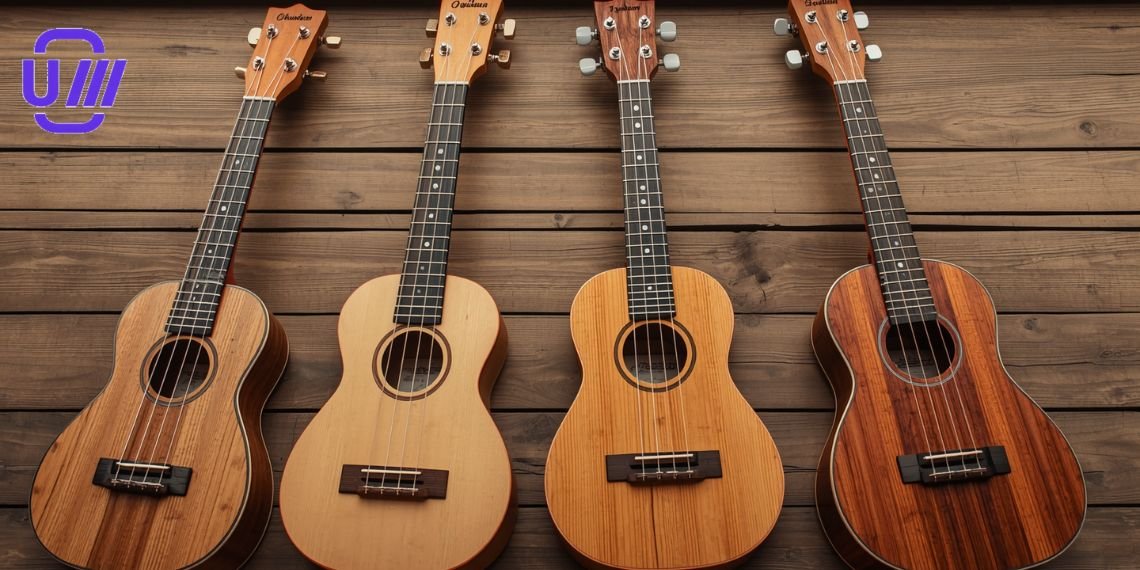
| Types | Soprano, Concert, Tenor, Baritone, Bass, Contrabass |
| Difficulty Level | Beginner-friendly |
| Modern Use | Education, pop music, social media |
| Fun Fact | One of the fastest-growing beginner instruments worldwide |
One of the most interesting ukulele history facts and origins is its name. The word “ukulele” translates to “jumping flea.” This answers the popular question: why ukulele is called jumping flea.
Some believe the name comes from the fast finger movements of players. ukulele history Others say it was inspired by a lively musician in the royal court. Either way, the name perfectly reflects the instrument’s playful nature.
The Ukulele Reaches the World
The ukulele did not stay in Hawaii for long. It reached the United States and gained attention at the Panama-Pacific Exposition 1915 ukulele showcase. This event introduced the instrument to a wider audience and sparked curiosity.
“Its popularity spread globally in the early 1900s,” as people were drawn to its unique sound and simplicity. This period marks the beginning of the ukulele in early America, where it became part of mainstream music.
Rise, Fall, and Revival
The rise of ukulele popularity happened during the early to mid-20th century. ukulele history Entertainers like George Formby helped bring it into the spotlight through film and performance.
However, trends changed, and the instrument experienced a decline and revival of ukulele. For a time, it faded from mainstream use as other instruments gained attention.
“The ukulele experienced a revival in the 1990s,” thanks to artists like Israel Kamakawiwoʻole and Jake Shimabukuro. Their performances introduced the instrument to a new generation and helped answer when did ukulele become popular again.
The Ukulele as a Musical Instrument
The ukulele belongs to the string family instruments and is closely related to the lute family instruments. When comparing ukulele vs guitar difference, the ukulele is smaller, has fewer strings, and produces a brighter tone.
The instrument typically has four strings tuned in ukulele tuning G C E A. ukulele history These strings are often made from nylon, making them soft and easy to play. The ukulele strings material contributes to its gentle sound.
The wooden ukulele body is usually crafted from materials like mahogany or koa, giving each instrument a unique tone. Understanding ukulele fretboard basics helps players learn how to change notes and create melodies.
Types of Ukulele
There are several variations, but the most common types of ukulele (soprano, bass, contrabass) are widely recognized. Each type offers a slightly different sound and size.
The soprano is the smallest and most traditional. ukulele history Larger versions provide deeper tones while maintaining the same structure. This variety allows players to choose what suits them best.
Ukulele for Beginners and Education
“It is widely used as a beginner-friendly instrument,” making it ideal for learners of all ages. ukulele history The rise of ukulele for beginners has been especially noticeable in recent years.
Many schools now include ukulele in schools as part of music programs. The shift from recorder to ukulele has sparked debates about recorder vs ukulele learning, with many finding the ukulele more enjoyable to listen to.
Modern Popularity
The modern ukulele revival has been driven by social media and contemporary artists. The instrument frequently appears in ukulele in pop music, adding a fresh and cheerful sound to songs.
Understanding why ukulele is popular comes down to its accessibility. It is affordable, portable, and easy to learn, making it appealing to a wide audience.
Full History of the Ukulele Timeline
Looking at the full history of the ukulele timeline, we see a clear progression. ukulele history From its introduction in Hawaii to global fame, each stage contributed to its identity.
The ukulele evolution from Portugal to Hawaii highlights how cultures can blend to create something new. This journey also answers how the ukulele became popular across different regions.
Ukulele “Profile” (Fun Perspective)
If the ukulele were a person, its “age” would be around 140 years. Its “family” would include instruments like the guitar, lute, and mandolin. Its “height” would be small and compact, reflecting its portability.
Its “lifestyle” would be cheerful and social, always present in gatherings and performances. While it has no real net worth, the global market around ukuleles is worth millions.
Fun Facts About Ukulele History
The ukulele has set world records, including large group performances. It has also been played by a wide range of celebrities, from musicians to actors.
For those searching ukulele history for kids, the instrument offers a simple and engaging way to learn about music. Its story is both educational and entertaining.
FQA:
1. What does ukulele mean in Hawaiian?
The word “ukulele” comes from the Hawaiian language and means “jumping flea.” Many people believe this name was inspired by the quick finger movements of players as they strum the strings. Others think it may have been a nickname for a lively musician in the court of King Kalākaua.
2. Why do Hawaiians love the ukulele?
People in Hawaii love the ukulele because it is deeply connected to their culture and traditions. ukulele history Over time, the instrument became a symbol of Hawaiian identity, often used in songs, storytelling, and celebrations. Its soft, cheerful sound fits perfectly with the relaxed island lifestyle and Hawaiian music culture.
3. Where did ukuleles originally come from?
Ukuleles were developed in Hawaii, but their true roots trace back to Portugal. Portuguese immigrants brought small instruments like the braguinha and cavaquinho to Hawaii in the late 1800s. ukulele history These instruments were later adapted into what we now know as the ukulele.
4. What are 5 interesting facts about the ukulele?
Here are five simple and interesting facts:
- The ukulele has only four strings, making it easier to learn than many instruments.
- Its name means “jumping flea.”
- It became popular worldwide after being introduced in the United States in the early 1900s.
- It is often used as a beginner instrument in schools.
- It had a major revival in the 1990s thanks to artists like Israel Kamakawiwoʻole.
5. Did Taylor Swift play the ukulele?
Yes, Taylor Swift has played the ukulele in some of her performances and songs. She has helped introduce the instrument to younger audiences, especially through live shows and acoustic sessions.
6. Is the ukulele harder than the guitar?
No, the ukulele is generally easier than the guitar. ukulele history It is smaller, has fewer strings, and simpler chords, which makes it ideal for beginners. While both instruments belong to the same family, most learners find the ukulele quicker to pick up and more comfortable to play at the start.
Conclusion
The history of the ukulele is a story of travel, adaptation, and creativity. From its beginnings influenced by Portugal to its development in Hawaii and spread to the United States, it has become a global symbol of music and joy.
“The instrument evolved into a symbol of Hawaiian culture,” and today it continues to inspire players around the world. Whether you are a beginner or a music lover, the ukulele’s journey proves that even the smallest instrument can make a big impact.